
The Tug of War at the Heart of Prediction Markets: Public Good or Just Sports Betting?
The Tug of War at the Heart of Prediction Markets: Public Good or Just Sports Betting?
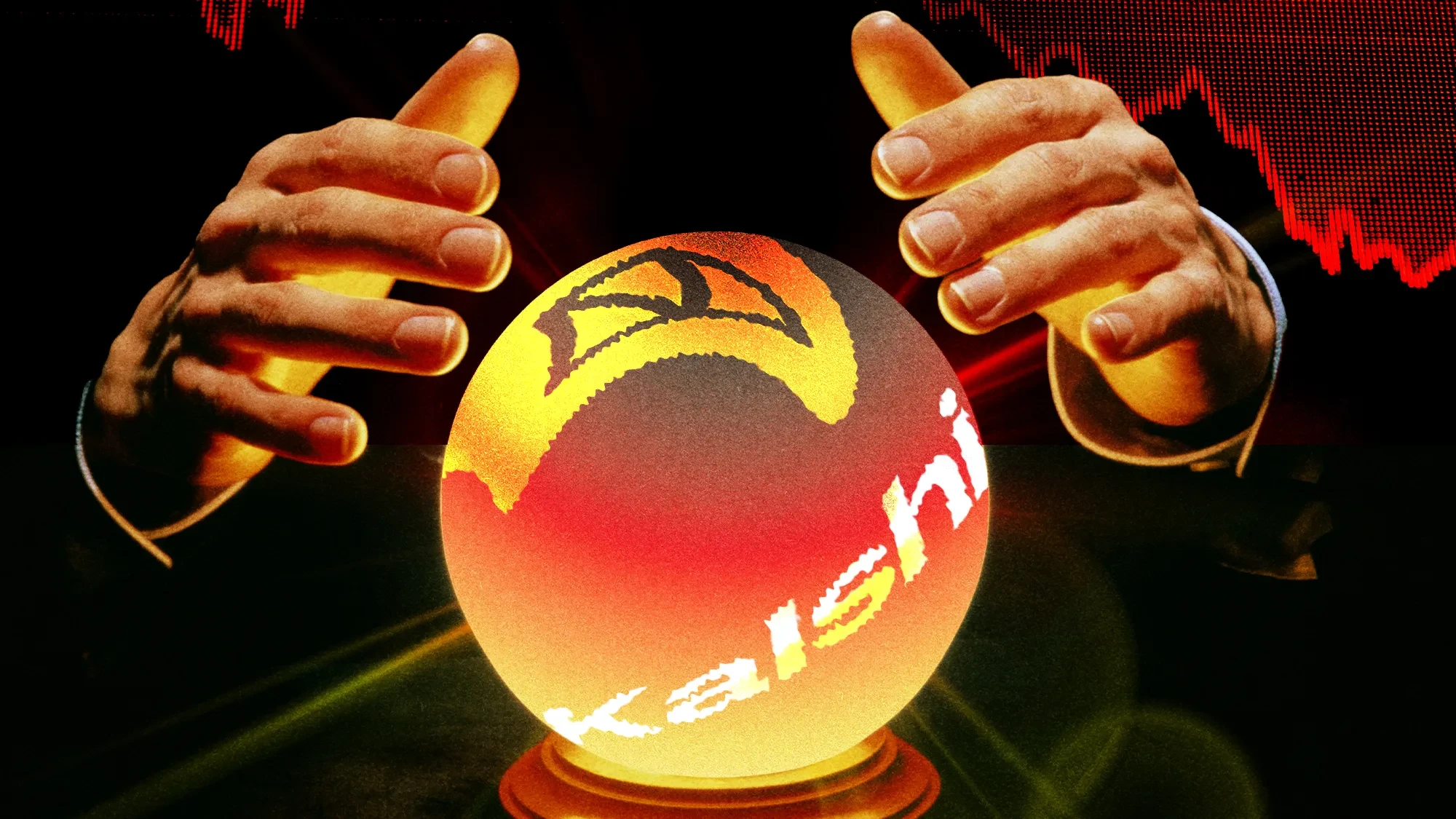
On June 11, prediction market platform Kalshi dropped a viral high-profile ad starring Timothée Chalamet, the famously outspoken New York Knicks superfan. For the prediction market industry, the campaign marked a defining cultural moment—reminiscent of the 2022 Super Bowl, when nearly every commercial break featured an A-list celebrity promoting cryptocurrency.
Yet when I brought up Chalamet’s spot to attendees of Manifest, a recent industry gathering for prediction market leaders and enthusiasts, I was mostly met with blank stares. The conference crowd, a mix of academics, startup founders, job seekers, and active market participants, hadn’t even heard of the ad. They were far too focused on debating the industry’s long-term future and the major risks threatening prediction markets today.
Their collective lack of awareness perfectly encapsulated the core rift I witnessed again and again that weekend: the chasm between how forecasting advocates see prediction markets (as tools for the greater public good) and how the vast majority of the general public views them (as just another way to bet on sports).
“We all waited so long to get to the moment we’re in right now,” Dan Schwarz, co-founder and CEO of AI research and prediction startup FutureSearch, told me. But platforms have run into a litany of serious problems, from insider trading scandals to sports-focused contracts that Schwarz warns are fueling gambling addiction. To offset these harms, “prediction markets would have to deliver far more public value than they are right now.”
The industry’s most insiders, it turns out, are worried that the very trait that turned prediction markets into a global mainstream phenomenon could ultimately be their undoing.
This year’s Manifest gathering was hosted at Lighthaven, an idyllic sprawling compound in Berkeley, California. The campus, which covers roughly half a city block, also serves as the epicenter of the rationalist movement, a community that prioritizes safe AI development and effective altruism among its core goals.
The crowd skewed heavily male but was otherwise eclectic. Groups of twenty- and thirty-somethings huddled over laptops in the property’s Tudor-style main house, and one attendee joked I looked like the type of person who always carried a stick of gum. Talks about prediction market design shared the schedule with sessions on the odds of AI causing human extinction and guides to optimizing your sex life. There was a furry meetup, and public watch parties for the first U.S. men’s World Cup match and Game 5 of the NBA Finals. (I couldn’t find anyone who’d placed money on either event, though a handful of attendees said they knew people who’d earned big payouts.) Manifold, a play-money prediction platform, even hosted markets tied directly to the festival itself: would someone break a bone during the event (still unresolved), and would Caroline Ellison make an appearance (she did).
Even so, the broader industry landscape looked wildly different this year compared to past Manifest gatherings. While Kalshi and Polymarket sponsored the event in previous years, both were absent this time around, and neither company agreed to comment on the change. Last year, Kalshi hosted a panel on sports markets, just six months after it launched the product line. Today, the two platforms process billions of dollars in sports trades, operating during a period of unusually favorable regulatory conditions at the federal level.
Sports were also conspicuously absent from a session focused on trading strategies for prediction markets tied to global events and politics. I caught up with the session’s organizer, David Bensoussan—who has earned $1.6 million in profits from trading on prediction platforms—under the shade of one of Lighthaven’s trees.
“The truth-seeking function that prediction markets can serve, helping us predict future events and keep the public better informed—what on Earth does that have to do with sports?” he asked, wrapped in a blanket to beat the cool fog of the Bay Area.
In the view of Bensoussan and nearly every other attendee I spoke with, Kalshi and Polymarket have played their hand masterfully over the past few years. They’ve made major inroads with a sympathetic federal administration, partnered with major news outlets including Fox and CNN, and struck collaboration deals with X, Substack, Madison Square Garden, and Robinhood.
But FutureSearch’s Schwarz, who previously launched Google’s internal prediction market, calls the industry’s heavy focus on sports betting “degenerate gambling.” The widespread legalization of online sports gambling platforms like FanDuel and DraftKings has already sparked growing concern over a national surge in addiction. Kalshi and Polymarket have long pushed back against being grouped with traditional sportsbooks, arguing their core purpose is to extract accurate predictive signal from public noise.
“Kalshi is different from sports betting on a structural level, and that difference shapes everything from our products to our business model,” company spokesperson Jacki McGavick wrote in an email. “Sports betting operates like a casino, where everyone plays against the house. Kalshi works just like the stock market, with customers trading directly against other customers. Unlike a casino, Kalshi doesn’t win when our customers lose.”
Even so, researchers publishing a paper in Science in April noted that prediction markets use a “gambling-like design” that raises “public health concerns.” The study also suggested that rather than delivering better public information, prediction markets could be exploited for “democratic manipulation.” A recent wave of insider trading incidents highlights this risk, and a growing number of state-level lawsuits are pushing to ban prediction markets in large part over consumer protection concerns.
These trends have already soured public opinion. If political winds shift, Kalshi and Polymarket would be easy targets for new regulation—and the forecasting community has taken notice.
Bensoussan suggests the industry could ramp up lobbying of Democrats, following the playbook the crypto industry used to win enough support on Capitol Hill to keep strict regulation at bay. There are already signs this is underway: the industry’s main trade group is advised by a former Democratic lawmaker, and its board includes a senior leader from Crypto.com.
If the crypto strategy doesn’t work out, there’s a second option: eliminate sports betting on prediction markets entirely. “Maybe the perfect world is one where the U.S. government bans sports gambling, but leaves other prediction markets alone,” Schwarz says.
That would deliver a massive hit to Kalshi and Polymarket’s bottom lines: sports account for roughly 80 percent of Kalshi’s trading volume and 39 percent of Polymarket’s volume since July 2024, a cut that would almost certainly upset venture capitalists waiting for returns on their investments. (McGavick notes that Kalshi’s sports trading volume hit 53 percent for the week of June 8, and last topped 60 percent during the week of April 27.) But it would also preserve space for the types of prediction markets most Manifest attendees see as truly valuable, focused on major global events. In fact, the biggest news that dominated conference conversation that weekend wasn’t any of the three major sporting events held that week—yes, that includes the UFC fight at the White House, and no, most attendees weren’t happy about it. It was the new agreement between the U.S. and Iran to reopen the Strait of Hormuz.
“If you’re a senior decision-maker or policymaker in D.C. and you need to make a call related to Israel or Iran, a well-run prediction market is plausibly useful,” Bensoussan says.
Other use cases attendees argued are far more valuable to the public than sports betting include tools for insurance companies to hedge risk, and prediction markets offering contracts on clinical trial success rates. The latter already exists at a relatively new platform called Endpoint Arena, which currently does not allow real-money trading for U.S. users.
“A sports market isn’t very useful,” the platform’s founder Michael Fischer told me, “but if you have an accurate probability of success for a certain type of drug, it’s extremely useful.”
Time will tell if these niche markets actually deliver actionable, reliable information, let alone become a standard part of medical planning for terminally ill patients.
If all this sounds overly idealistic, keep in mind this is a conference that hosted a market on whether an attendee wearing “the Panda Hat” would find someone to make out with while wearing the hat (they did), and where the top conference quote, as voted by Manifold users, was: “I still have not received nudes from her, except in a professional capacity.”
It’s a stretch to say the conference will help deliver better, more responsible versions of prediction markets. But for a gathering defined by widespread hope for what prediction markets could one day become, there was also a clear sense of alarm about what they are right now.
“The apps are just straight-up predatory,” Schwarz says. “They are absolutely trying to trick you into thinking you're not going to lose money when you, in fact, of course you are.”
Update 6/19/26 1:47pm ET: This story has been updated to include recent data on Kalshi's sports trading volume. WIRED also corrected the spelling of Endpoint Arena.