
Multiple Baidu Robotaxis Stranded By Technical Glitch In Wuhan, Leaving Passengers Trapped And Triggering Collisions
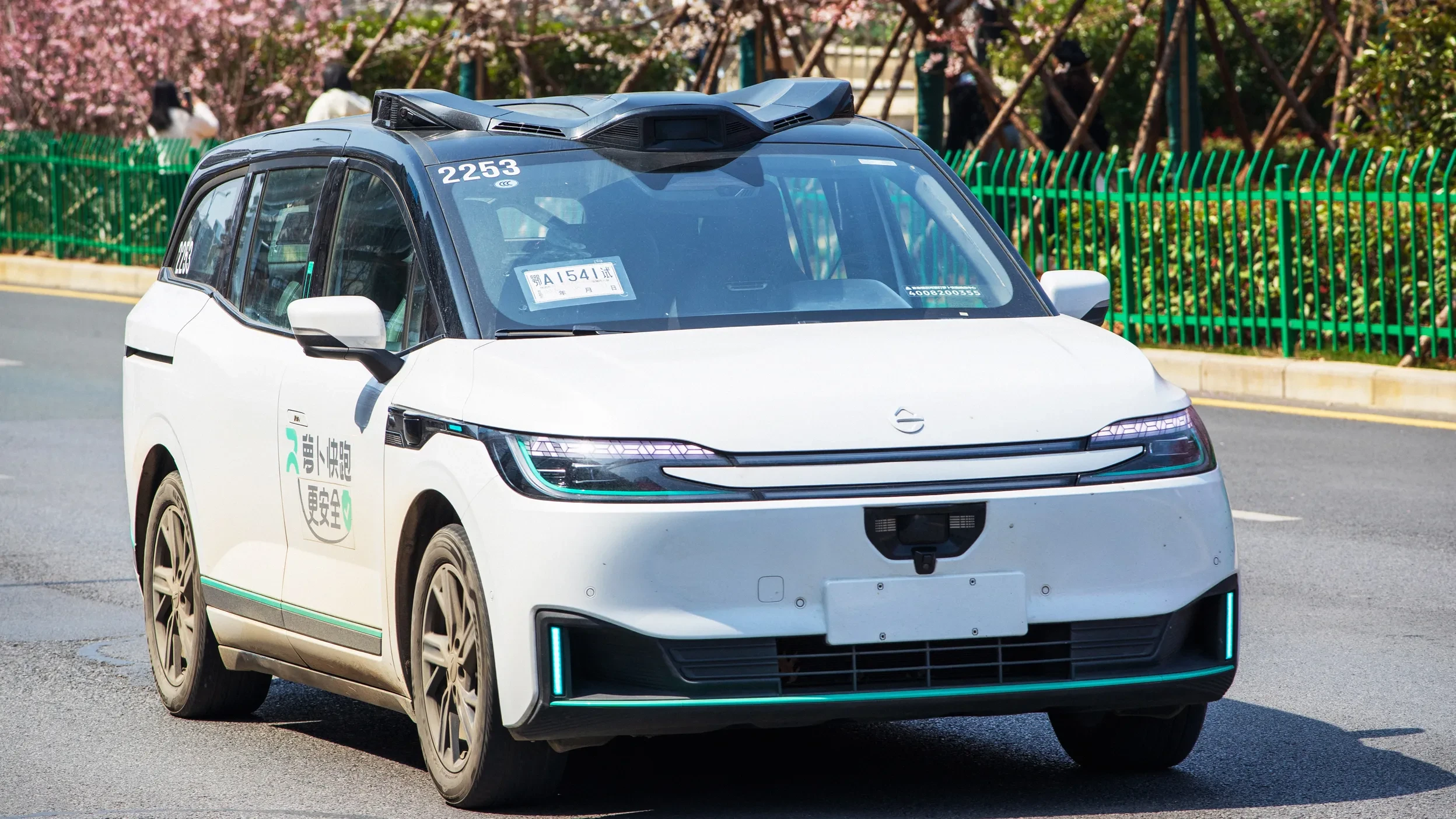
Baidu’s Apollo Go Robotaxi Fleet Suffers Widespread Unplanned Outage in Wuhan, Stranding Passengers and Triggering Multiple Collisions
Last Tuesday, an unconfirmed system-level technical glitch caused dozens of Baidu’s self-driving Apollo Go taxis to freeze abruptly mid-traffic across Wuhan, stranding multiple groups of passengers inside the autonomous units for more than an hour in some cases.
As one of China’s most permissive cities for fully driverless deployment, the central Chinese megacity hosts hundreds of operational Apollo Go vehicles, with explicit approval for the robotaxis to travel on public highways and run service routes to the local airport. Local residents took to Chinese social media platform RedNote to share first-hand accounts of the vehicles seizing up without prior warning, with widely circulated photos and clips showing the disabled Baidu cars halted across busy city roads, many stuck directly in high-speed fast lanes.
A Wuhan-based college student surnamed He, who requested WIRED only identify her by her last name to protect personal privacy, recounted being trapped in a malfunctioning Apollo Go alongside two friends for roughly 90 minutes that Tuesday. She noted the taxi cut out and stopped 4 to 5 separate times mid-journey before finally rolling to a full stop at an intersection in Wuhan’s eastern districts. Though the intersection was relatively quiet at the time and the three friends faced no immediate danger, the in-car infotainment screen immediately instructed them to stay belted in and wait for a Baidu staff member to arrive within five minutes, per a screenshot she shared with WIRED. He said it took half an hour of repeated dialing to even get through to a Baidu customer service line, where representatives repeatedly told her they would escalate the issue to a senior team, but offered no explanation for the sudden system failure, nor any clear timeline for when on-site support would arrive. No staff ever showed up at all, she added: after waiting another full hour, the group realized the vehicle doors were not locked, and exited safely to make their own way home.
Multiple other Apollo Go riders shared identical frustrations on RedNote, reporting that they were completely unable to access emergency support via the service’s in-car and app-based tools. “I tried every help option listed in the app to call for assistance, but none of the phone lines connected, and when I hit the physical SOS button, it popped up a message saying the feature was unavailable,” one user wrote in a viral post paired with footage of the unresponsive SOS function. “What even is the point of having an SOS button at all?” She explained that with a long line of regular vehicles piling up behind her stopped robotaxi, she was forced to manually pry the door open to exit the stranded unit. “Apollo Go owes me a proper apology,” her post concluded.
Baidu did not issue an immediate public response to requests for comment. Wuhan local municipal police released an official public statement shortly after midnight the night of the incident, noting that the mass robotaxi outage was "most likely triggered by a system malfunction" and that a full formal investigation into the root cause was still ongoing. The force confirmed no injuries had been reported across all affected vehicles, and all trapped passengers had safely exited the units by the time of the statement.
It remains unconfirmed exactly how many Apollo Go vehicles were hit by the glitch. One dashcam clip posted to RedNote shows a private driver passing no fewer than 16 parked, disabled robotaxis over the course of 90 minutes of driving, with multiple near-misses where the private driver had to slam on brakes or swerve at the very last second to avoid colliding with the stationary autonomous vehicles. Not all drivers were able to avoid crashes: one RedNote user shared a crash report claiming he collided with one of the stalled robotaxis while driving over 40 mph on a local highway, after the car in front of him abruptly swerved to avoid the stopped Baidu vehicle, leaving him no time to brake. Photos from the scene showed his bright orange SUV with its entire front-right fender torn off, alongside severe structural damage to other front-end components. At least two additional rear-end collisions involving the stranded robotaxis were confirmed via social media footage from the day of the outage. A Wuhan local driver who spoke to WIRED confirmed she passed one crash scene where a white minivan had rear-ended a parked Apollo Go, with heavy damage to the rear of the robotaxi, though both people involved in the collision appeared unharmed. She added that she counted at least 12 more disabled, parked robotaxis across her own commute route that day.
The mass incident marks a notable safety hiccup for Baidu, one of China’s top autonomous driving developers. The firm’s Apollo Go service is now operational across more than a dozen Chinese cities, and has recently begun international expansion to markets including Seoul, Abu Dhabi, and Dubai. Back in February, Baidu announced that its robotaxi fleet had notched a cumulative 20 million paid rides, covering a total of over 300 million kilometers (roughly 186 million miles) of driving. Wuhan has long been one of the most supportive Chinese cities for fully driverless autonomous vehicle testing, granting Baidu’s fleet wide access to public roads, highways, and airport service routes to accelerate deployment.