
US Army Special Forces Soldier Charged in First-Ever Prediction Market Insider Trading Case
US Army Special Forces Soldier Charged in First-Ever Prediction Market Insider Trading Case
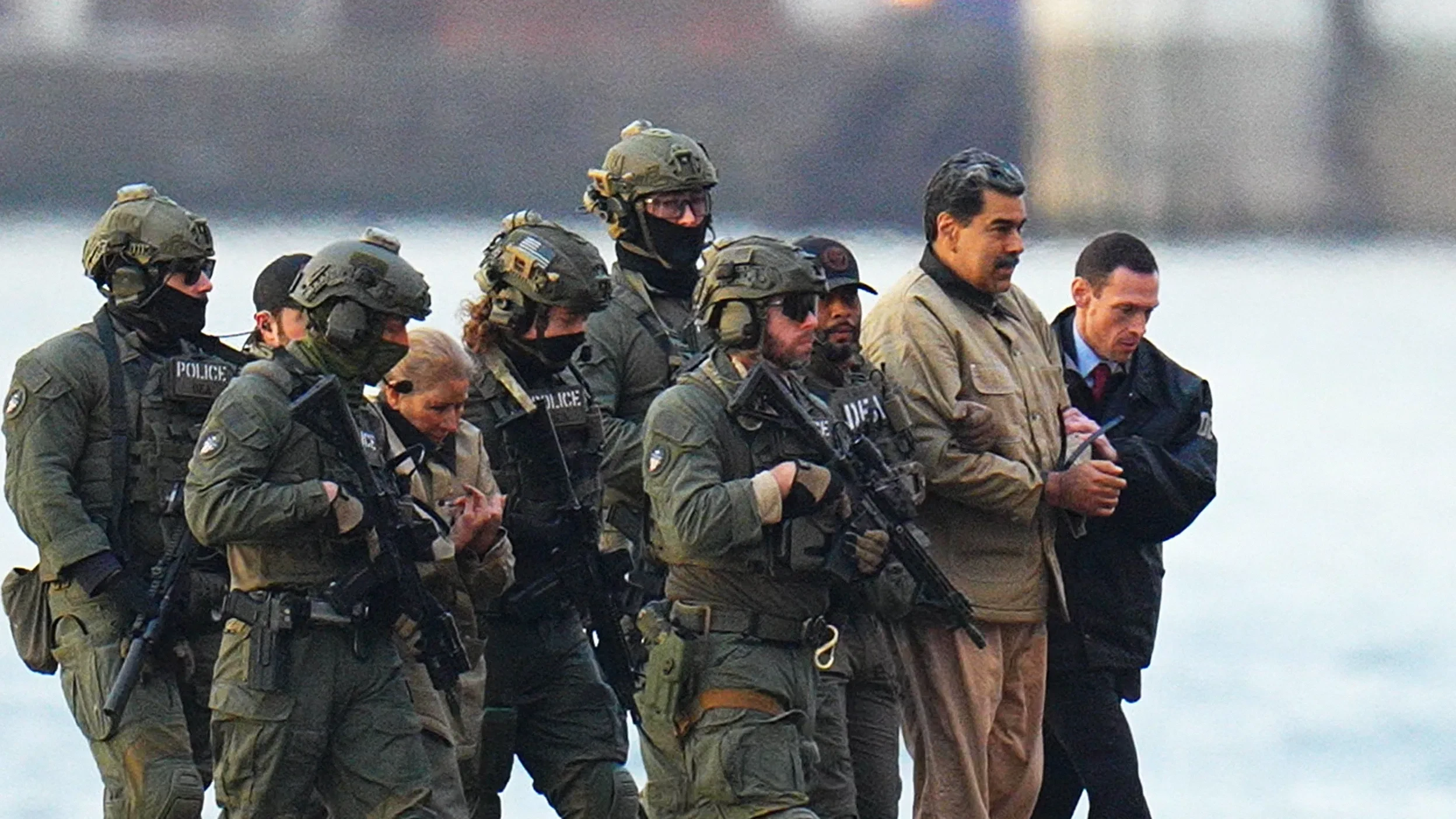
The U.S. Department of Justice (DOJ) announced Thursday the arrest of Gannon Ken Van Dyke, an enlisted member of the U.S. Army Special Forces, who stands accused of using classified, nonpublic information about a planned operation to capture Venezuelan president Nicolás Maduro to earn more than $400,000 in illegal profits from trades on the popular prediction platform Polymarket. A federal grand jury has indicted him on five counts, including multiple violations of the Commodity Exchange Act.
Van Dyke’s case marks the first ever insider trading prosecution targeting a prediction market in U.S. history. For months, lawmakers have raised alarms over the high risk that politicians and public servants could exploit nonpublic information to profit from trades on major industry platforms like Polymarket and Kalshi, both of which have seen explosive growth in popularity over the past year.
The arrest comes just weeks after DOJ prosecutors held discussions with Polymarket leadership about potential insider trading violations on the platform. Back in February, Israeli authorities arrested two citizens—an army reservist and a civilian—for allegedly leaking classified information by placing wagers on Polymarket tied to military operations. Kalshi, Polymarket’s primary U.S. competitor, recently fined three politicians for violating its internal insider trading rules, but opted not to refer the violations to the Commodity Futures Trading Commission (CFTC), the federal agency that oversees prediction market activity.
After details of Van Dyke’s arrest became public, Polymarket shared a statement on social media confirming it had “identified a user trading on classified government information” and “referred the matter to the DOJ & cooperated with their investigation.” The company declined to provide any additional comment beyond the post.
According to court filings, Van Dyke has served as an active-duty U.S. soldier since September 2008, and earned a promotion to master sergeant in 2023. At the time of the alleged illegal trading, he was stationed at Fort Bragg in Fayetteville, North Carolina, and assigned to the Army Special Operations Command’s Western Hemisphere Operations division.
“I have been crystal clear that anyone who engages in fraud, manipulation, or insider trading in any of our markets will face the full force of the law,” CFTC chair Michael Selig said in a statement. “The defendant was entrusted with confidential information about U.S. operations and yet took action that endangered U.S. national security and put the lives of American service members in harm’s way.”
The complaint alleges Van Dyke was directly involved in the planning and execution of the Maduro capture operation, and was fully aware he was not authorized to share nonpublic details about U.S. military operations. Court records note Van Dyke previously signed a nondisclosure agreement that forbids him from revealing sensitive or classified government information “by writing, word, conduct, or otherwise.” Prosecutors also claim Van Dyke saved a screenshot to his personal Google account “displaying the results of an artificial intelligence query” outlining how U.S. Special Forces maintains dozens of classified files, including “operational details that are not available to the public.”
On December 26, Van Dyke allegedly opened a Polymarket account, withdrew roughly $35,000 from his personal bank account, and transferred the funds to a cryptocurrency exchange to fund his trades. The following day, he placed his first Venezuela-related trade on the platform, putting just under $100 on a “YES” contract predicting U.S. forces would be deployed inside Venezuela by January 31, 2026.
Prosecutors say Van Dyke ultimately made 13 total Venezuela-linked transactions on Polymarket, seven of which—totaling hundreds of thousands of shares—were bet on a “YES” contract for “Maduro out by … January 31, 2026.” In other words, he stood to earn an enormous windfall if the Venezuelan leader was removed from power before the end of that January. Prosecutors allege that between 8 and 10 pm ET on January 2, mere hours before the overnight extraction operation launched, Van Dyke placed three separate bets on the “Maduro out” contract, purchasing more than 250,000 total shares.
While Van Dyke’s exact role in the Maduro operation remains unclear, the DOJ alleges he uploaded a photo to his Google account shortly after he was transported aboard a U.S. Navy ship following the raid. “That photograph depicts VAN DYKE on what appears to be the deck of a ship at sea, at sunrise wearing U.S. military fatigues, and carrying a rifle, standing alongside three other individuals wearing U.S. military fatigues,” the indictment reads.
Court documents confirm Van Dyke won his “Maduro out” bets when the Polymarket contract was resolved after the January 3 raid. He allegedly sold off all his remaining positions the same day and withdrew all his funds from the platform. After news reports began circulating about an anonymous trader earning a $400,000 payout from the contract, the indictment claims Van Dyke asked Polymarket to delete his account and swapped the email linked to his cryptocurrency account for one that was not connected to his legal name.
The prediction market industry as a whole has faced intense scrutiny in recent months over its role in facilitating illegal insider trading, with lawmakers pushing for stricter regulatory guardrails and tougher enforcement. California, Illinois, and New York have all banned state employees from trading on confidential information via prediction markets, in a move to address growing concerns over public corruption. Beyond the suspicious Maduro-related trades, a series of Polymarket bets tied to potential conflict with Iran have also raised red flags for insider activity, including one anonymous account that earned more than $550,000 wagering on whether the U.S. would strike Iran and whether the country’s then-leader Ayatollah Khamenei would remain in power.
Several lawmakers have publicly accused the Trump White House of allowing staff to trade on prediction markets using confidential insider information. U.S. Senator Chris Murphy told WIRED that staffers “inside the Situation Room” may be pushing the country into war while personally betting on that outcome. The White House has denied all such allegations. Earlier this month, CNN reported that the White House had issued an internal warning to staff against using confidential information to profit from prediction markets. The White House has not responded to WIRED’s requests for comment on that warning.
If convicted on all five counts, Van Dyke faces a maximum sentence of 60 years in federal prison.