
Is Microsoft Losing Its Edge in AI? A Conversation With Scott Hanselman
Is Microsoft Losing Its Edge in AI? A Conversation With Scott Hanselman
This week, Satya Nadella opened Microsoft’s annual Build developer conference in classic fashion: he hyped the company’s newest product launches and shared a rosy outlook for the future of AI. The throughline of his keynote was clear: Microsoft is going all-in on agentic AI. But an unspoken shadow hung over the gathering at San Francisco’s Fort Mason—and no, it wasn’t Azure.
While rival tech and AI firms have seen their valuations and share prices skyrocket this year, Microsoft’s stock has trended downward. The company’s suite of workplace AI tools, which (like nearly all new Microsoft products these days) carry the Copilot brand, have failed to meet adoption targets. What’s more, though Microsoft was an early pioneer in AI-powered coding tools, Anthropic has pulled ahead with its game-changing, agent-first approach to coding via Claude Code. In response, Microsoft has terminated internal Claude Code licenses, forcing its own developers to switch to Copilot instead.
Meanwhile, GitHub—Microsoft’s industry-leading code repository subsidiary—has suffered unprecedented outages that have pushed long-time users to complain and even defect to competing platforms. One viral Reddit post put it bluntly: “Has GitHub become a dumpster fire?” For Microsoft, losing the trust and loyalty of the global coding community would be nothing short of catastrophic. After all, it was former CEO Steve Ballmer who famously summed up Microsoft’s key to market leadership with that iconic rallying cry: Developers! Developers! Developers!
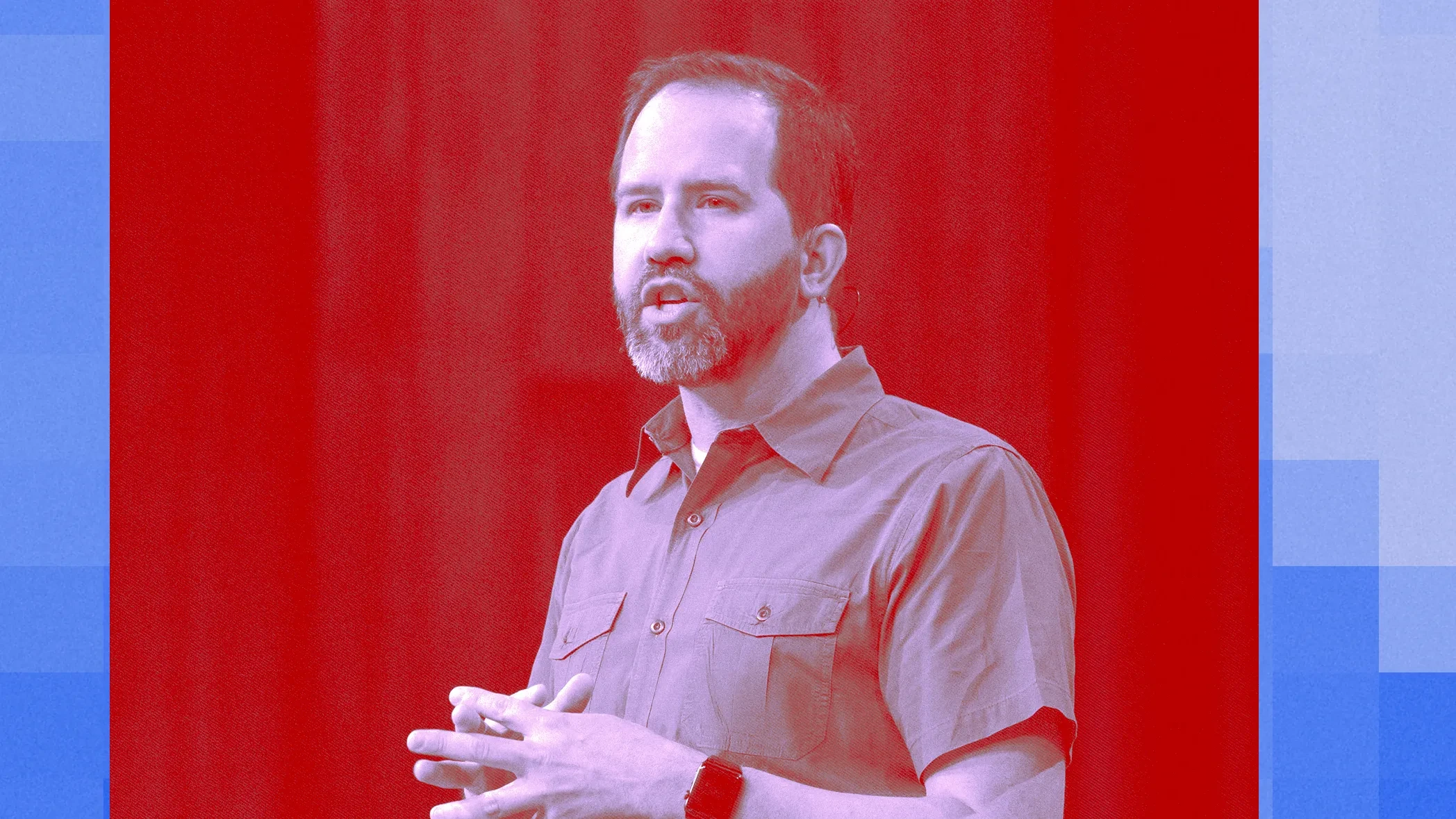
Scott Hanselman, a Microsoft vice president on GitHub’s technical team, has spent decades connecting with developers, training engineers, and evangelizing GitHub and Microsoft’s AI tools. Today, he sits at the center of Microsoft’s belated push to capitalize on the agentic AI boom. Late last year, after 18 years at the company, he was seriously considering leaving to teach high school science. But by November, the agentic coding revolution sparked by Claude Code and OpenClaw reignited his excitement for the space. He helped bring the open-source OpenClaw project into Microsoft, and at this year’s Build conference, he joined Nadella on the keynote stage to demonstrate how Microsoft’s copilots can automate tasks for coders, office workers, and everyday users.
Hanselman was the perfect person to unpack what’s really happening at Microsoft. After jumping out to an early lead in the generative AI race three years ago, has Microsoft lost its mojo? The interview below has been edited for clarity and concision.
STEVEN LEVY: GitHub users have been complaining nonstop lately about frequent outages, and some have even left the platform entirely. What’s going on?
SCOTT HANSELMAN: You remember when social media got overrun by bots, or 20 years ago when email was drowning in spam? Right now, half of all traffic and activity on GitHub comes from bots, not human users. I think GitHub is actually doing an impressive job scaling to meet that demand, but bots generate requests incredibly quickly. This is just a temporary growing pain, not a long-term failure.
LEVY: How do you convince developers this is just a hiccup, not a sign that Microsoft has gotten complacent with GitHub?
HANSELMAN: It’s easy to fixate on the rare moments when it’s down, but people forget GitHub is available 99% of the time. It’s just facing unprecedented pressure from all that bot traffic right now.
LEVY: Microsoft’s biggest announcement at Build is centered on agentic AI and its integration of OpenClaw via a new product called Scout. You helped make this happen, even bringing OpenClaw founder Peter Steinberger into the project. How did this come together?
HANSELMAN: It’s just the kind of organic thing that happens when open-source people talk to each other. Last year, OpenClaw kicked off the whole agentic coding wave. I built a small Windows app for it, Satya got excited about the potential, and I started connecting with teams across the company. Microsoft had been brainstorming native agent tools for Windows for years, and I just thought, “This is our great opportunity—why not go for it?”
LEVY: You dived headfirst into the coding agent rabbit hole last November when the trend blew up, right?
HANSELMAN: It was such an electric time for tech nerds. I spent most of that holiday break testing and experimenting with coding agents. It’s been an absolute rocket ship of a ride ever since.
LEVY: Claude Code has stolen all the thunder lately, beating out OpenAI’s Codex and, frankly, Microsoft’s own Copilot. A few years ago, Microsoft’s Copilot coding tool led the pack. Now Claude Code is on top.
HANSELMAN: I have to respectfully disagree. A single coding model is just one piece of the puzzle. Microsoft is built for developers, full stop. Windows is an open platform on open hardware where anyone can build anything they want.
LEVY: Microsoft wants Scout to be adopted by productivity workers and even general consumers. AI agents make mistakes and hallucinate information. How much error will the average user tolerate?
HANSELMAN: That’s a great question, and I don’t have a hard answer. The best approach is trust but verify. Start by giving it small tasks, test it out, see how it works. If it doesn’t mess up, you can gradually give it more access, like read-only permission to your files. For example, I’m a Type 1 diabetic, and I gave OpenClaw access to my blood sugar data. People’s knee-jerk reaction is always, “How dare you give an agent access to your private health data?” But for me, it’s incredibly useful to get proactive alerts about my blood sugar levels. I don’t think that’s controversial at all.
LEVY: I get that use case, but right now a lot of people are still skeptical or even outright hostile to AI.
HANSELMAN: Any time a transformative new tool comes out—whether it’s a chainsaw, a power tool, or the internal combustion engine—there’s a messy period where society figures out how to make it work well for humans. I’m not “all in” on every AI, for that matter; I vote with my feet. I don’t use AI image generation or AI video generation, because those tools don’t work for me. But I use AI for coding, and I find it’s an absolute joy to work with.
LEVY: It’s true coders love coding agents, but outside that community, there’s major resistance. Microsoft has already seen this with the underperformance of its AI productivity tools. Do you expect similar headwinds for mainstream agentic AI?
HANSELMAN: People will either like it or they won’t. I remember when the Walkman launched, people said, “No one’s going to walk around wearing those things on their head—those headphones look ridiculous.” Now we all walk around with these white Q-tips sticking out of our ears everywhere we go.
LEVY: You don’t think Microsoft is in catch-up mode right now?
HANSELMAN: I’d respectfully push back on that framing. Everyone is in catch-up mode in this space. You pull ahead, then the other side gains ground—it’s a constant back-and-forth, like a thumb war. I also remind people that Microsoft coined the term “Copilot” for AI tools in the first place, and now it’s become a generic trademark, just like Kleenex.
LEVY: Do you think this year’s developer conference has put Microsoft back in the race?
HANSELMAN: I had a couple of long-time Mac users hanging out backstage with me. They saw the announcement of the new Surface Laptop Ultra and all the new developer tools we showed off, and they grudgingly said, “Damn it, you guys are going to make me buy a Surface, aren’t you?”
LEVY: So the trash cans at Fort Mason are full of discarded MacBook Airs now?
HANSELMAN: That would be an amazing result, though I’d hate to create more electronic waste.
This is an installment of Steven Levy’s Backchannel newsletter. Read previous issues here.