
Sam Altman’s World Brings Iris-Scanning Human Verification to Global Tinder Users, Inks New Corporate Partnerships
Sam Altman’s World Brings Iris-Scanning Human Verification to Global Tinder Users, Inks New Corporate Partnerships
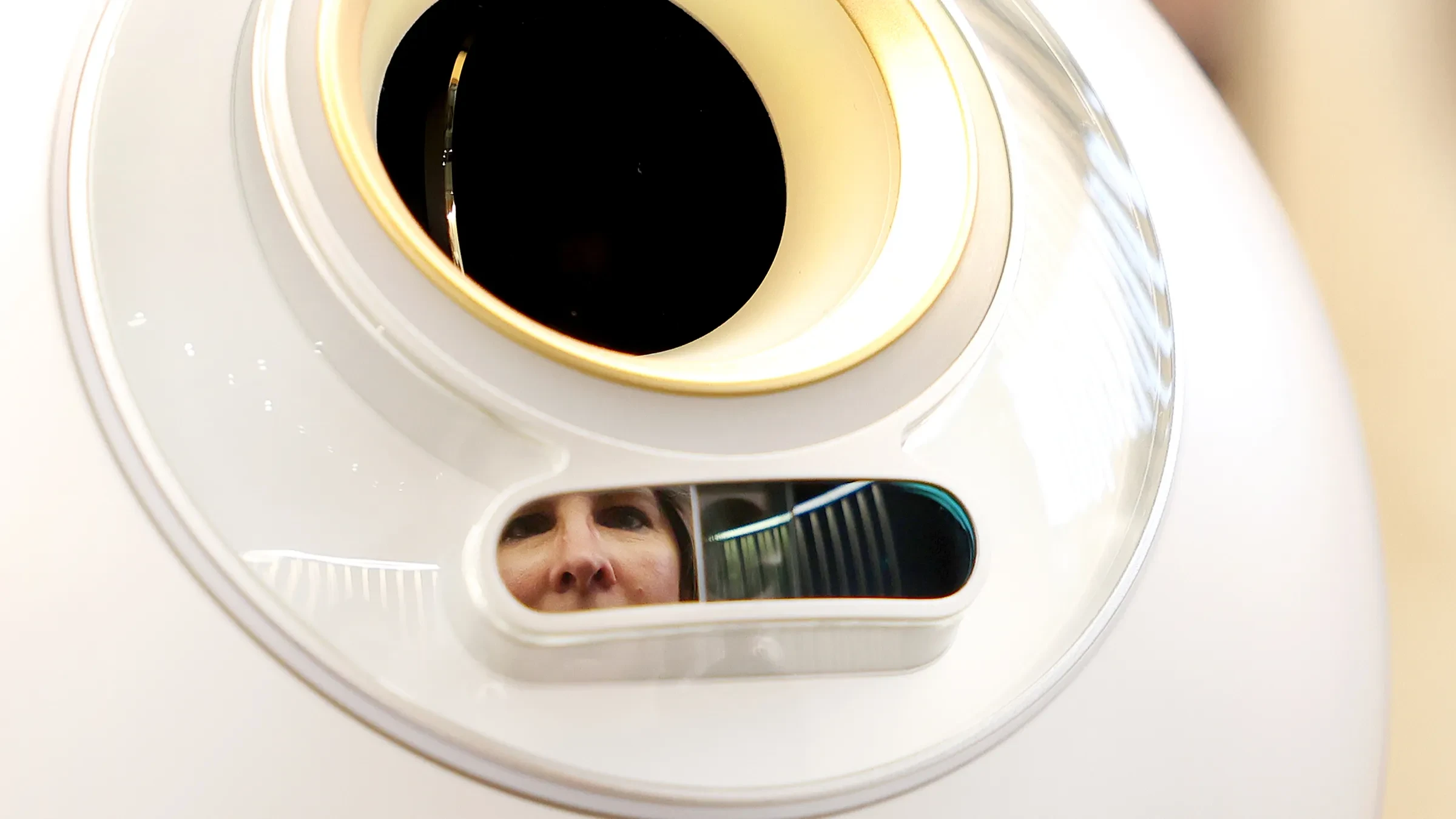
At a Friday event held in San Francisco, Sam Altman’s World project—known for its iris-scanning human verification system—announced that Tinder users across the globe can now add a custom digital badge to their dating profiles to prove to potential matches they are real people. The perk is only available to users who have already completed an iris scan via one of World’s sleek white Orbs. This global rollout follows a pilot of the Tinder verification program World previously ran in Japan.
Tinder’s global expansion marks one of the biggest real-world tests for World to date, putting the company’s core bet to the test: that everyday consumers will opt into biometric verification services just to access common online apps. Co-founded in 2019 by Altman and Alex Blania, World was built to address a coming internet landscape flooded with advanced AI bots that make distinguishing real humans from automated accounts incredibly difficult, if not impossible. As firms like OpenAI (where Altman serves as CEO) and Anthropic push AI agents into mainstream use, the problem World was created to solve has grown increasingly urgent.
Despite this clear need, World has struggled to gain mainstream adoption, and has faced widespread pushback from global governments that have probed the company over potential violations of data protection laws. The company reports that 18 million people have now completed verification via an Orb, up from 12 million last year.
Alongside the global Tinder expansion, Tools for Humanity—the parent company behind World—announced a slate of new consumer and enterprise partnerships at its San Francisco Lift Off event Friday. Tinder users who verify their account with a World ID will receive five free “boosts,” a normally paid feature that increases a profile’s visibility by up to 10x for 30 minutes. Videoconferencing platform Zoom also announced that hosts can now require all meeting participants to verify their identity via World before joining a call. E-signature platform Docusign will similarly integrate World’s identity verification tech to let users require proof of identity for agreements.
Tiago Sada, chief product officer at Tools for Humanity, told WIRED that major platform partnerships are key to helping World become a mainstream identity-verification solution. Sada added the company is particularly interested in partnering with social media companies moving forward, and said he was encouraged by Reddit’s recent decision to test World as a tool to help users separate bots from real human accounts.
| Got a Tip? |
|---|
| Do you have information about World or Tools for Humanity and want to share insights about the company’s work? We want to hear from you. Using a non-work device, contact the reporter securely via Signal at
mzeff.88. |World is also launching a new tool called Concert Kit, which lets artists reserve blocks of concert tickets exclusively for verified human buyers. The product is directly targeted at the bot-driven scalping crisis that critics say has long plagued platforms like TicketMaster.
No new hardware announcements or Orb updates were shared at Friday’s event. World first launched its iris-scanning Orb in 2023, paired with a mobile app that hosts “mini apps” for various verification and blockchain-related programs. After a user scans their iris with an Orb, the startup generates a unique cryptographic key for each individual, which becomes their official World ID. This system creates a private, decentralized method to verify users online, eliminating the need for people to upload their government-issued ID to dozens of different websites across the internet.
The project originally launched under the name Worldcoin, and in its early days, the startup offered users free cryptocurrency in exchange for completing an iris scan. World still offers a crypto token and digital currency wallet, but dropped “coin” from its name in 2024 as it shifted its core focus to AI-era identity verification. Jess Montejano, a spokesperson for Tools for Humanity, confirmed that crypto is still offered as an incentive for new sign-ups, but the company has added new perks including free trial subscriptions to Netflix and Apple TV to attract more users.
While World was built to solve the online bot problem, the company does not support a full ban on AI agents accessing the internet. Earlier this year, the startup rolled out tools that link AI agents to a human’s existing digital identity, designed to allow a limited number of bots to operate online on a user’s behalf. Tools for Humanity says it is working with Shopify and Vercel to support access for these “human-backed agents.”
Even as it has secured a growing list of corporate partnerships, Tools for Humanity has struggled to win regulatory approval from governments around the world. Shortly after its 2023 public launch, the governments of Kenya, Spain, Portugal, and other countries temporarily paused World’s operations to investigate privacy concerns. While some of these nations have lifted restrictions and allowed World to resume operations, Brazil and other countries maintain long-term bans that block the startup from expanding there.
World has previously emphasized that many of these restrictions were temporary pauses, not full permanent bans. Sada argues that most regulatory conflicts stem from misunderstandings about how the company’s technology works.
“The idea that World ID is not just private, but one of the most private tools you’ve ever used, that’s not obvious,” said Sada. “We’re just not used to this kind of technology. Many people taped over their iPhone’s Face ID sensor when it first launched, then we got used to it.”
One lingering question for Tools for Humanity is how the company might eventually partner with Altman’s other firm OpenAI, as OpenAI develops AI-powered hardware products. Sada said he has no knowledge of OpenAI’s hardware efforts, and reiterated that while Altman co-founded World, OpenAI and Tools for Humanity are two completely separate independent companies.
Lauren Goode contributed reporting.
Correction 4/22/26 5:30 pm EDT: Tools for Humanity initially announced its Concert Kit product would first launch in partnership with Bruno Mars’ World Tour. Spokespeople for the artist, Live Nation, and Tools for Humanity have since confirmed that no such partnership ever existed. The startup has updated its public materials to reflect a new partnership with the band Thirty Seconds to Mars.